
Deloitte’s Managing Director Anjali Shaikh on the Quiet Power Shift in the C-Suite


For much of the past decade, CIOs have been advised to “think like business leaders.” According to Deloitte’s latest Tech Exec Survey, that distinction may finally be obsolete. Technology is no longer a support function; it is the business. And CIOs, once seen as operational stewards, are now shaping revenue, culture, and enterprise strategy.
In a wide-ranging conversation with CTO Magazine, Anjali Shaikh, Managing Director and U.S. leader of Deloitte’s CIO Program, reflects on how the role has evolved.
With Anjali Shaikh, we dig deeper into why 67% of CIOs now aspire to be CEO, and what skills will define the next generation of tech leadership:
You’ve spent nearly two decades at Deloitte and more than a decade closely studying the evolution of the CIO role. Before we dive into the survey itself, can you share a bit about your journey and how your work with the CIO Program has shaped your perspective?
Anjali Shaikh:
I’ve been with Deloitte for nearly 17 years now. I’m a Managing Director and currently lead our U.S. CIO Program.
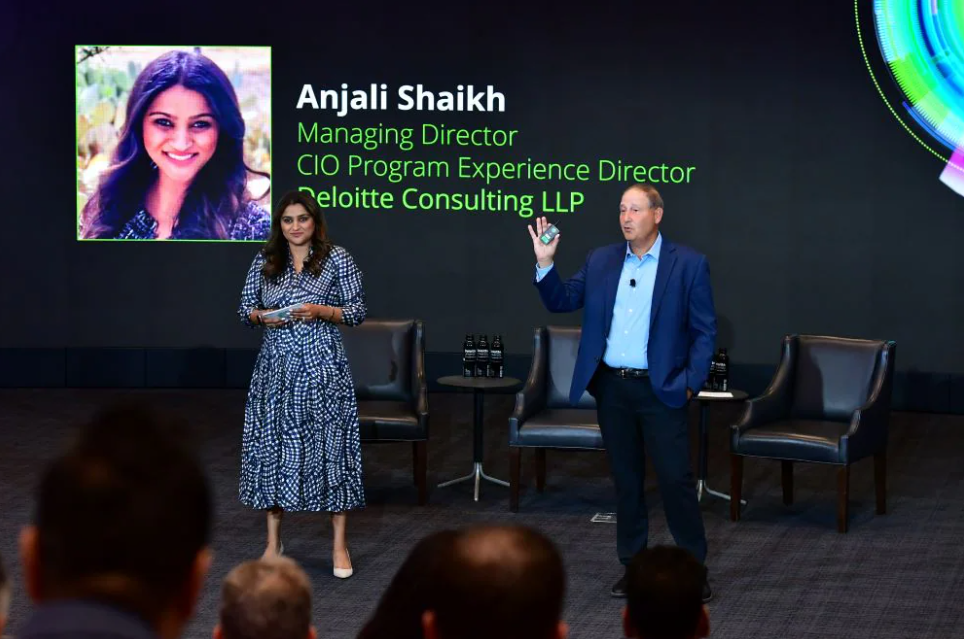
I began my career in our tech strategy practice, and approximately 11 years ago, I joined the CIO Program to help shape Deloitte’s thinking on technology leadership. In 2015, we launched our first Global CIO Survey, marking the beginning of a more structured effort to understand how the role was evolving.
Since then, I’ve spent much of my time focused on thought leadership around the CIO role, its priorities, challenges, and evolution. Beyond research, the program also supports CIOs directly through offerings designed to help them succeed in the role and define what “good” looks like at different stages of their careers.
The pulse survey, in particular, is our way of getting a faster read on the market. Technology is advancing at an unprecedented rate, making it essential for leaders to gain more real-time insight into what their peers are experiencing and prioritizing.
Deloitte’s Tech Exec Survey includes insights from more than 600 U.S.-based CIOs, CTOs, CISOs, and CDAOs. It highlights a pivotal shift in how organizations view technology, from a service function to a core growth engine, and underscores the CIO’s expanding influence over strategy, revenue, and leadership succession.
Based on what you’re seeing in this latest survey, how would you describe the changing role of the CIO and the broader tech executive today?
Shaikh:
We’ve entered a new chapter. Technology is no longer a support function; it is the business.
For years, there’s been a narrative that technology leaders needed to show up as business leaders. What’s exciting now is that the pendulum has swung even further. Today, business leaders almost need to be technology leaders themselves. The cross-pollination between technology and business is incredibly strong.
Subscribe to our bi-weekly newsletter
Get the latest trends, insights, and strategies delivered straight to your inbox.
What we’re seeing is CIOs redefining leadership itself. They’re no longer just keeping the lights on. When done right, they’re shaping enterprise growth. They’re focused on culture, resilience, and not just customer impact, but employee and workplace impact through technology as well.
One of the standout findings in the survey is that 67% of CIOs report aspiring to become CEOs. Why do you think we’re seeing such a dramatic shift? Is this driven by AI, broader digital transformation, or changes in the workforce?
Shaikh:
This data point truly reflects the significant maturation of the role.
Ten or twenty years ago, CIOs and CTOs were primarily viewed as operational or functional leaders—people who made technology work for the organization. Today, they’re shaping strategy, revenue, and culture.
When 67% of CIOs say they aspire to be CEO, I don’t think that’s about ambition alone. It’s about alignment. The skills required to be a great CIO today—financial fluency, enterprise visibility, and the ability to connect people, data, and technology—are very similar to what’s expected of a CEO.
AI is definitely accelerating this shift. It’s forcing companies to rethink how they create value, lead their workforce, and make decisions. CIOs are uniquely positioned at that intersection.
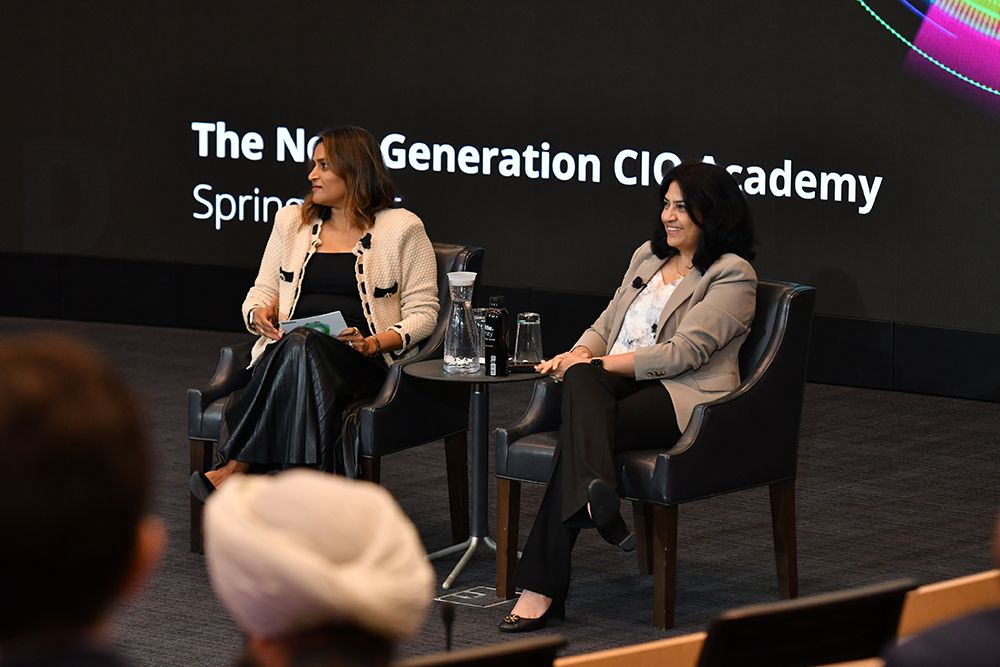
As for generational shifts, I can’t speak directly to that, but our broader research does show that today’s workforce expects authentic, tech-enabled, purpose-driven leadership. CIOs are naturally becoming a blend of all those things.
Culture comes up repeatedly in these conversations. From your perspective, how is the CIO’s role in shaping culture changing, especially in a world of remote work, global teams, and AI-driven workplaces?
Shaikh:
This particular survey didn’t explicitly explore culture, but the signals are evident.
If you look at reporting lines alone, that tells a cultural story. A decade ago, only about 43% of CIOs reported directly to the CEO. Today, that number is over 60%. That shift signals that technology is driving more decisions, innovation, and communication across the enterprise.
At its core, culture is about people, process, and how work gets done—and technology sits right in the middle of that. CIOs are increasingly responsible for shaping how employees experience work, how teams collaborate across geographies, and how technology supports engagement and productivity.
If a CIO wants to be seen as a true business partner by the CEO, the board, and other stakeholders, what skills matter most today?
Shaikh:
The role is fundamentally different now, so the skills required are different too.
Operational excellence is still table stakes. Security, reliability, and resilience still matter. However, the CIOs who truly thrive bring a much broader set of capabilities.
First, enterprise and financial fluency. CIOs need to understand how the company makes money, how technology impacts every line of the P&L, and how technology investments translate into business outcomes in a way that resonates with boards and executive teams.
Second, strategic storytelling. CIOs have to articulate the technology value story in clear business terms. It’s about influence, persuasion, and helping the organization see what’s possible.
Third, cultural leadership. With remote work, distributed teams, and AI reshaping how work happens, CIOs are becoming architects of digital and employee culture. That’s a muscle they’ll need to keep strengthening.
And finally, curiosity and courage. Emerging technologies, such as AI, require leaders who are willing to experiment, take calculated risks, and strike a balance between innovation and governance. That takes real courage.
Credibility is often the hardest thing to earn. How can CIOs build trust and credibility as business leaders, not just technology experts?
Shaikh:
It starts with business orientation.
When CIOs lead with a P&L mindset, they’re immediately seen as business leaders. In our survey, 36% of tech executives reported managing a P&L today, and 52% of organizations now view technology as a key revenue driver. That number will only grow.
Credibility stems from understanding the problems the enterprise aims to solve—where growth will originate, what offerings are crucial, and how technology can facilitate that, rather than leading with the technology itself.
It’s about framing technology as a means to an outcome, not the outcome itself.
The survey also shows more CIOs reporting directly to the CEO, but not all. Have you observed any meaningful differences between CIOs who report directly to CEOs and those who don’t?
Shaikh:
Reporting lines are an age-old debate, and context really matters. Some organizations intentionally shift their reporting lines as part of a broader strategic move. Others have CFOs who are incredibly tech-savvy and forward-looking, and that partnership works extremely well.
The bigger question isn’t who you report to, it’s whether you have a voice at the table. Are you shaping the organization’s strategic direction?
The CFO and CIO are two of the few roles that truly see across the entire enterprise. In many cases, that partnership is critical, especially when you’re making joint investment decisions and tracking ROI at the board level.
Looking ahead two to three years, what do you believe will most shape the future of the CIO role?
Shaikh:
For me, the answer is simple: AI.
AI will fundamentally shape how this role shows up. The opportunity, and the challenge, is how CIOs tell the story around growth and strategic value. For years, CIOs talked about wanting a seat at the table. Now they have it. The table is set. The question is: how will they use that opportunity?
Want to know more about what’s shaping the future of technology leadership? Explore the latest insights.