
CTO of
the Quarter
Every quarter, one leader. Not the loudest voice in the room — the one doing the actual work. Our editorial team nominates and selects a CTO whose vision, execution, and impact on enterprise technology stands apart from the noise.

How Returnship Programs Are Reshaping Tech Hiring
The technology industry is facing a paradox. While organizations continue to compete fiercely for experienced talent in fields such as…

Organizational Health Is the Competitive Advantage Leaders Can’t Ignore
Many organizations continue to chase productivity, efficiency, and growth. Yet, they struggle with declining engagement, slower innovation, and increasing resistance…

AI Inference vs Training Is Rewriting 2026 AI Budgets
A few years ago, most conversations about AI budgets focused on training. How many GPUs would it take? How long…

Is China Tech Decoupling Splitting the Digital World?
For nearly twenty years, technology leaders believed the world was becoming more connected. Cloud platforms expanded across the globe. Software…
Are AI Governance Platforms Worth the Investment for CTOs?
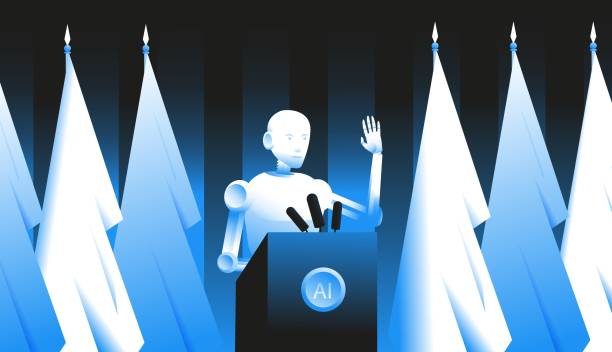
Three years ago, compliance was mostly a calendar exercise. Security teams prepared for audits, legal teams reviewed policies, and executives…

Why Alignment Beats Control When Scaling Tech Organizations
Scaling a technology organization is often viewed as a challenge of systems, processes, and operational maturity. Those elements matter, but…

What CTOs Can Learn From Deloitte’s Approach to DEI Data
When leaders talk about diversity, equity, and inclusion, they usually focus on values, culture, and commitment. These are important. However,…

Why Geopolitical Risk Is Now a Core Technology Challenge
The world is more complex and less predictable than ever. For businesses operating in an increasingly interconnected global landscape, geopolitical…

Microsoft’s Growth Mindset Culture in Action
A growth mindset, the belief that abilities can be developed through learning, effort, and feedback, has become a defining principle…
AI Workforce Transition: Humans, Agents, and Robots to Coexist
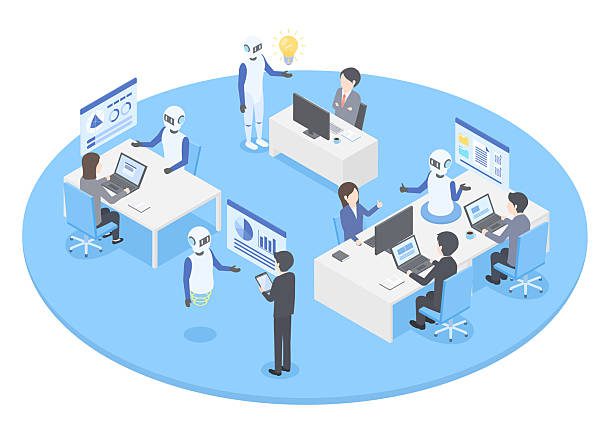
The rise of artificial intelligence is fundamentally reshaping the nature of work, not through sudden displacement, but through a gradual…