ACETECH 2025: Building Technology Moves From Products to Platforms
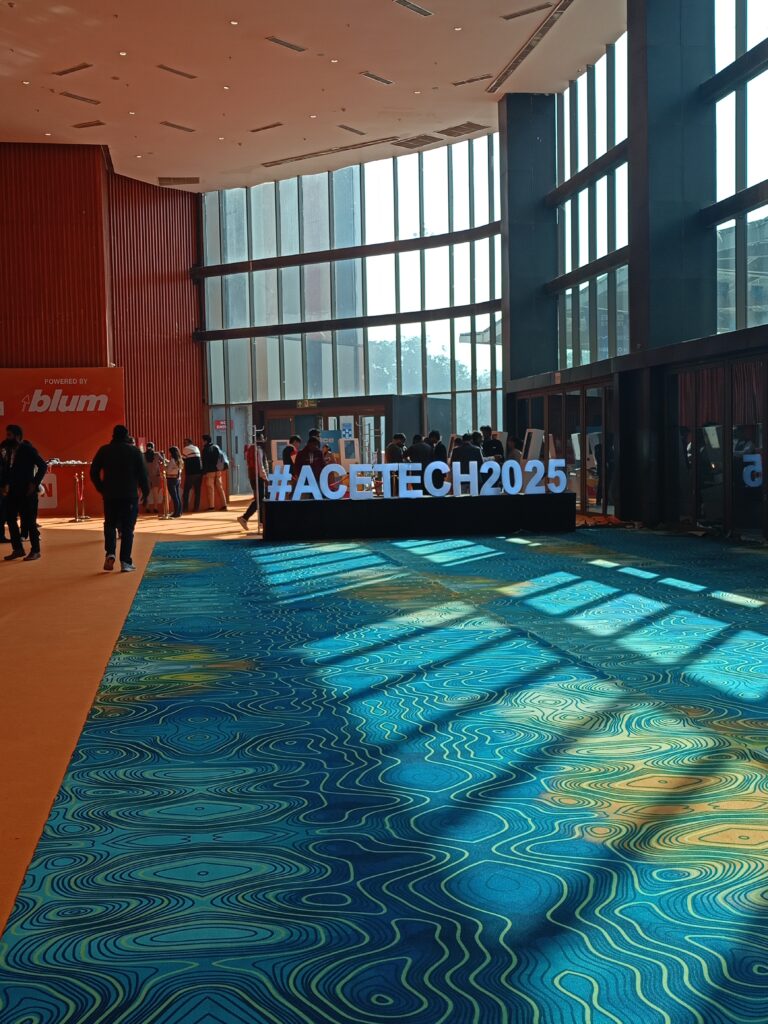
The halls of Bharat Mandapam filled in December, as architects, developers, contractors, and government officials gathered for ACETECH 2025, one of India’s largest exhibitions focused on architecture, building materials, and design.
Held from December 4 to 7 at the redeveloped Pragati Maidan complex, the four-day design and technology expo brought together hundreds of Indian and international exhibitors, attracting tens of thousands of visitors, according to organizers. The exhibition spanned 22 product categories, including façades, lighting, tiles, sanitaryware, automation, steel, and water technologies.
ACETECH expo is held annually and is widely used by developers, architects, and procurement teams to review new products, evaluate suppliers, and discuss regulatory and construction challenges.
Building systems climb the technology stack
Across the show floor, vendors emphasized interoperability, data visibility, and long-term system performance rather than standalone hardware. In the design and technology expo, automation platforms, sensor networks, and energy monitoring tools were positioned as core infrastructure layers, designed to integrate with operational technology and enterprise software environments.
Several exhibitors noted that buyers are now approaching building projects with the exact expectations they bring to IT investments, focusing on uptime, scalability, upgrade paths, and total cost of ownership.
“Facilities are no longer treated as fixed assets,” said an executive at a building automation company exhibiting at the event. “They’re managed environments, and that changes how technology decisions get made.”
Focus on performance and compliance in the design and technology expo
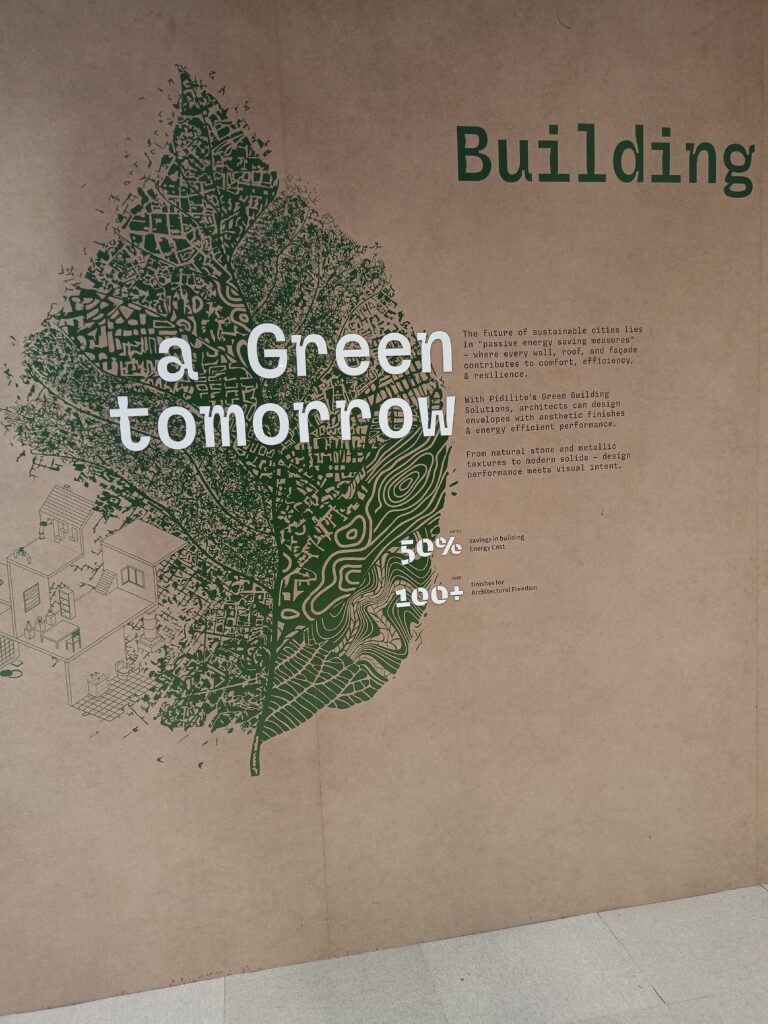
This year’s exhibition placed a strong emphasis on durability, sustainability, and compliance with evolving building codes. Exhibitors highlighted energy-efficient façade systems, water-saving technologies, automation platforms, and materials designed to reduce long-term maintenance costs.
Several architects attending the event said client priorities have shifted in recent years, with increased scrutiny on lifecycle performance and regulatory alignment. Sustainability requirements and rising construction costs have also influenced material selection and design decisions.

Presenters emphasized products not as standalone design elements, but as components of integrated building systems, particularly in areas such as energy management, water use, and automation.
Business-to-business platform
ACETECH continued to function primarily as a business-to-business marketplace. Developers and contractors met with suppliers to discuss specifications and timelines, while international buyers evaluated Indian manufacturing capabilities.
Domestic brands used the exhibition to introduce new product lines and announce partnerships. Industry executives and policymakers were also in attendance, participating in closed-door meetings and public panel discussions.
Subscribe to our bi-weekly newsletter
Get the latest trends, insights, and strategies delivered straight to your inbox.
Organized forums and conferences ran in parallel with the exhibition, covering topics such as sustainable urban development, innovative infrastructure, and the role of technology in construction and design.
Broad visitor profile
Architects and interior designers accounted for roughly 27 percent of visitors, followed by dealers and distributors at 20 percent, builders and developers at 12 percent, and manufacturers and suppliers at 10 percent. Government officials and public-sector administrators comprised approximately 15 percent of the attendees, alongside engineers, consultants, and planners.

From a business perspective, the audience included architectural and consultancy firms, construction and infrastructure companies. Interior design studios, project managers, hotel industry professionals, government development authorities, investors, and media representatives were also present.
A Marketplace for enterprise buyers
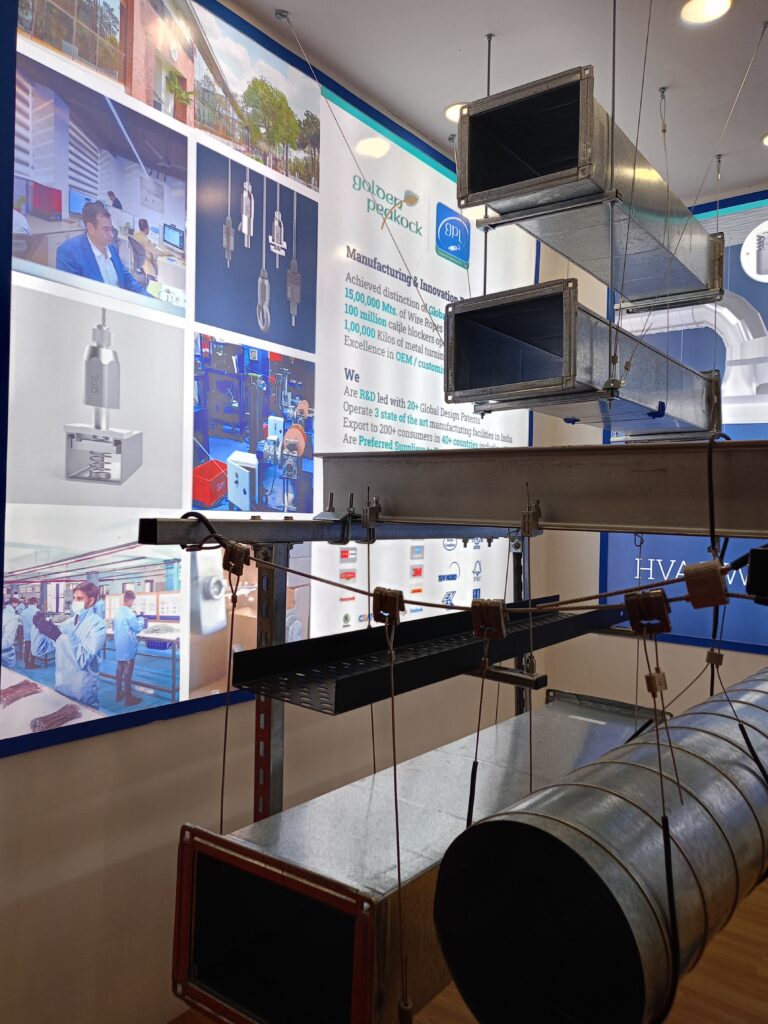
Developers, operators, and procurement teams used the exhibition to evaluate vendors, compare specifications, and discuss deployment timelines. International buyers assessed manufacturing and software capabilities, while technology providers announced new partnerships and integrations.
Public-sector representatives and regulators were present throughout the event, reinforcing the role of policy, standards, and compliance in large-scale deployments.
In brief
India’s construction and infrastructure sector is valued at more than $126 billion. Rapid urbanization, infrastructure investment, and sustainability mandates are transforming the way projects are planned and executed. For exhibitors and visitors, ACETECH Delhi served as a platform to assess market conditions, exchange information, and establish commercial relationships.