


Sponsored Content
AI Overreliance: Cognitive Risks of Letting Machines Do Our Thinking

AI Overreliance is reshaping how we think, work, and learn – raising critical questions about the future of human intelligence. Productivity has become the dominant measure of AI success. The faster employees write, code, analyze, and decide, the greater the perceived return on investment. But productivity is only one side of the equation. The other…
What Meta Learned From Putting a Price on Cloud Carbon
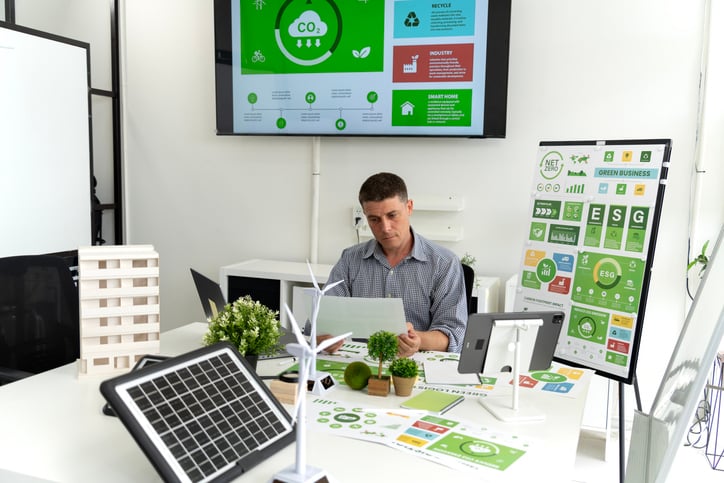
For a long time, cloud teams measured success in familiar ways. If an application met its performance goals, stayed online, scaled smoothly, and didn’t exceed budget, it was considered a success. Carbon emissions were rarely discussed. When they were measured, the results often appeared months later in annual sustainability reports. That approach is beginning to…
You Don’t Need a Better Model, You Need AI Control Plane

Large language models are rapidly becoming commoditized. Which makes it odd that so much of the conversation around AI in capital markets is still about the AI itself- the model selection, the prompt engineering, and the capabilities. As though the bottleneck is intelligence rather than infrastructure. It isn’t. For most firms, the real constraint is…
Subscribe to our newsletter
How AI-driven Cybersecurity Is Transforming Risk Management

AI-driven cybersecurity: This interview explains how AI is changing cybersecurity, creating new challenges for vulnerability management, and what technology leaders need to do to stay ahead of emerging threats. For years, cybersecurity teams have raced to discover vulnerabilities before attackers could exploit them. Artificial intelligence is changing that equation. Today, AI can help defenders identify…
How Tesla Autobidder Balances Solar and Wind Variability in Real Time

Building renewable energy projects is easier than ever, but managing them is now the biggest challenge. A solar farm can produce extra electricity on a sunny afternoon, but its output drops quickly when clouds roll in. Wind power is even less predictable. At the same time, electricity prices can shift in minutes as supply and…
What Sustainability Skills Should Tech Leaders Build?

Developing sustainability skills is now a core part of modern technology leadership, enabling organizations to innovate responsibly while creating long-term value. Sustainability is no longer confined to ESG reports or corporate social responsibility initiatives. It has become a core business strategy that influences technology investments, software architecture, cloud operations, product development, supply chain decisions etc…
Climate Risk Modeling Is Changing the Way Banks Make Lending Decisions

Financial institutions have always relied on historical data to assess lending risk. Credit scores, repayment histories, cash flow, and collateral have long formed the foundation of lending decisions. But climate change is exposing the limits of those models. Extreme weather, rising insurance costs, supply chain disruptions, and evolving climate regulations are introducing risks that traditional…
Watershed and Carbon Accounting Software in Enterprise Infrastructure
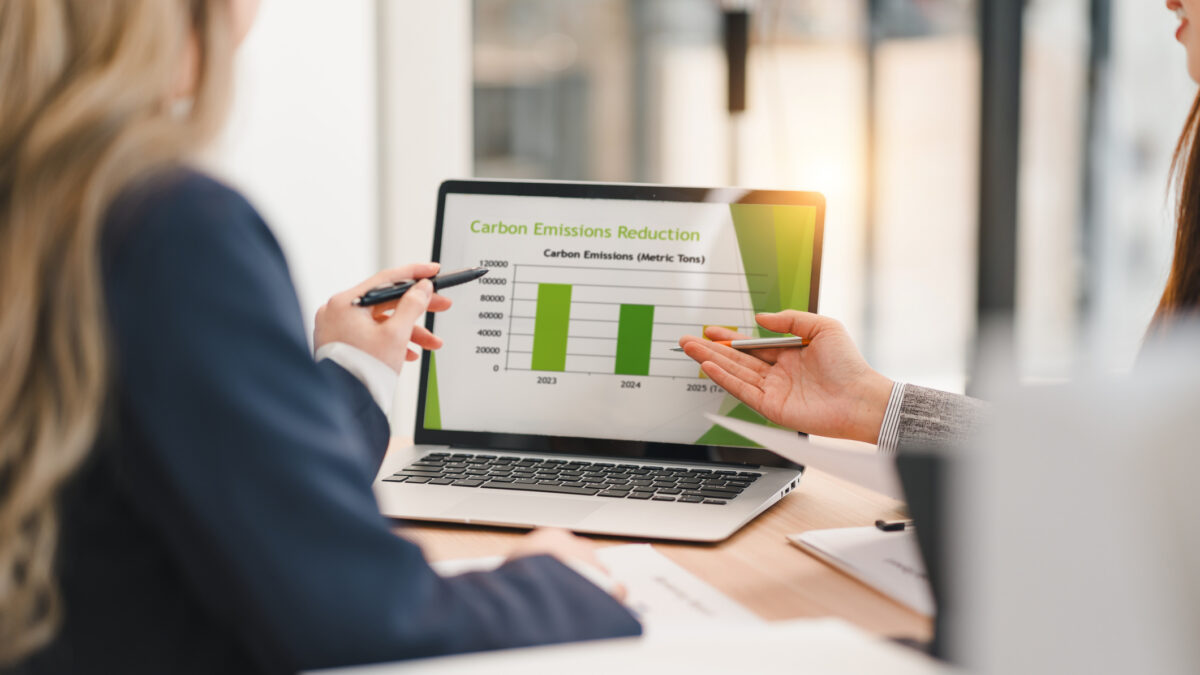
Carbon reporting used to be a year-end exercise. Sustainability teams used to collect invoices, utility bills, supplier data, and travel records, then spend weeks putting together a report. This process took a lot of time, but it was manageable when the rules were simpler. That is no longer the reality. With Scope 3 disclosures growing…
Triple Bottom Line Approach to Business: Balancing People, Profit, and Planet

In the past, the business world was mainly oriented towards generating financial gains, with shareholder returns being the only measure of success. Today, as climate risks intensify, social inequality widens, and stakeholder expectations continue to grow, organizations are being challenged to create value beyond profits. Today, organizations need to demonstrate a broader shift toward responsible…
Climate Tech Conferences 2026: Where CTOs Should Be Looking Next

Sustainability has evolved beyond corporate responsibility to become a core business priority. Every major technology decision, from cloud architecture and AI deployment to software design and data management, now carries environmental consequences alongside business outcomes. As organizations modernize their digital infrastructure and scale AI across operations, technology leaders are increasingly expected to deliver innovation that…